When AI Enters the Workflow: What It Takes to Put Intelligence to Work in the Lab
AI can generate a protocol or suggest the next step in a workflow. A scientist still needs to decide what that model is allowed to do, check the proposed workflow before physical execution, and understand what happened afterward.
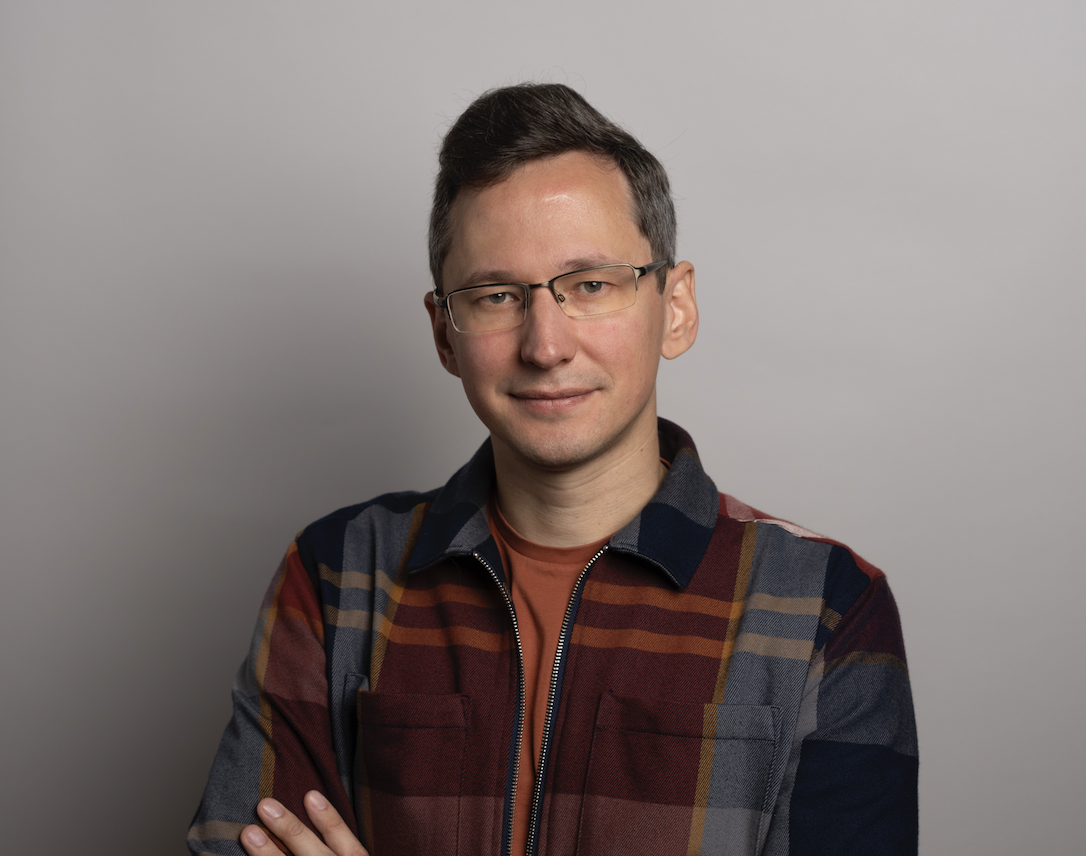
In this recorded SLAS Technology Idea Exchange, Automata’s Vladimir Ershov, Fane Mensah and Toby Taylor examine the practical path from AI recommendation to controlled lab action.
Drawing on Automata’s AI research, they discuss how defined workflow choices and simulation can help constrain model behavior, why the most powerful model is not always the right one for every task, and how data security, traceability and scientific judgment shape the move toward more autonomous labs.
What you’ll learn
- Why a specific scientific use case is a better starting point than trying to automate the entire lab at once.
- How constraints and simulation help bridge the gap between an AI-generated workflow and physical execution.
- What to consider when choosing models, including scientific quality, cost and where data is processed.
- Why scientists, security controls and a record of decisions remain essential as automation takes on more work.


When AI Enters the Workflow: What It Takes to Put Intelligence to Work in the Lab
AI can generate a protocol or suggest the next step in a workflow. A scientist still needs to decide what that model is allowed to do, check the proposed workflow before physical execution, and understand what happened afterward.
In this recorded SLAS Technology Idea Exchange, Automata’s Vladimir Ershov, Fane Mensah and Toby Taylor examine the practical path from AI recommendation to controlled lab action.
Drawing on Automata’s AI research, they discuss how defined workflow choices and simulation can help constrain model behavior, why the most powerful model is not always the right one for every task, and how data security, traceability and scientific judgment shape the move toward more autonomous labs.
What you’ll learn
- Why a specific scientific use case is a better starting point than trying to automate the entire lab at once.
- How constraints and simulation help bridge the gap between an AI-generated workflow and physical execution.
- What to consider when choosing models, including scientific quality, cost and where data is processed.
- Why scientists, security controls and a record of decisions remain essential as automation takes on more work.